Energy production
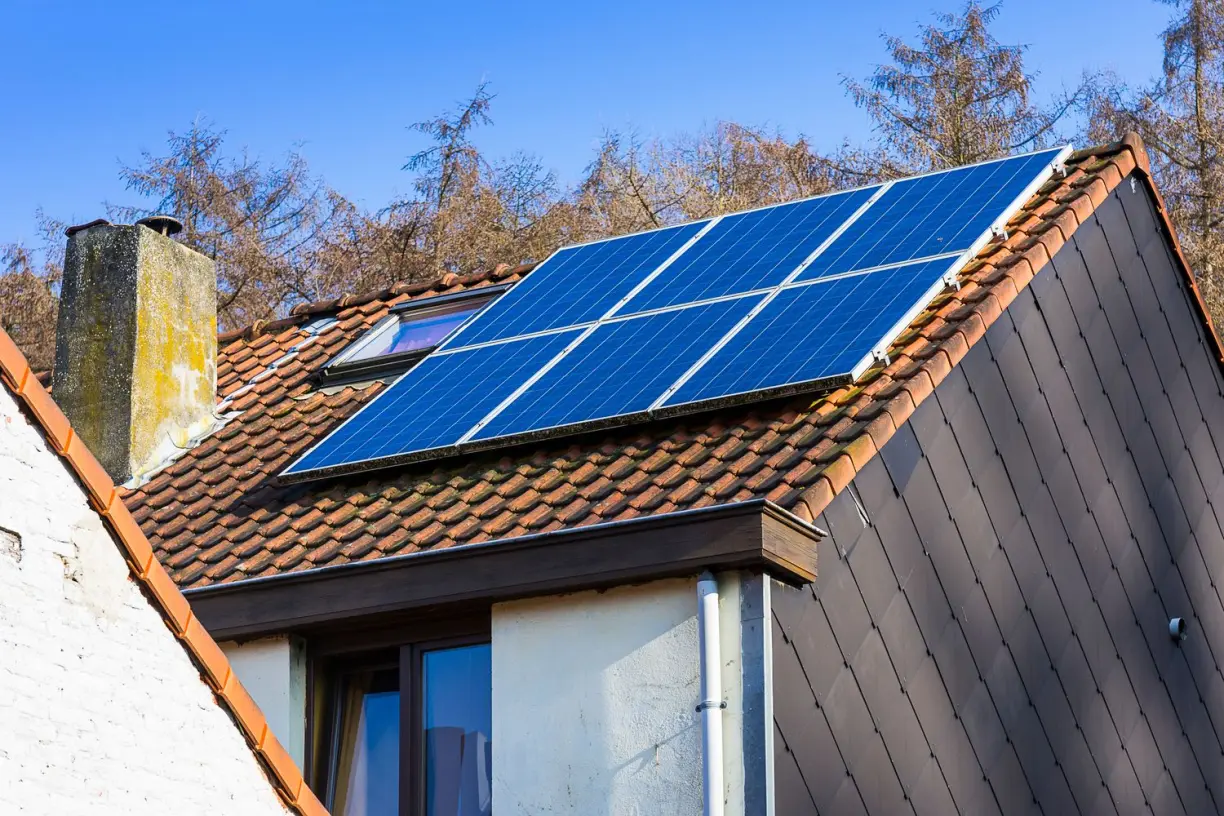
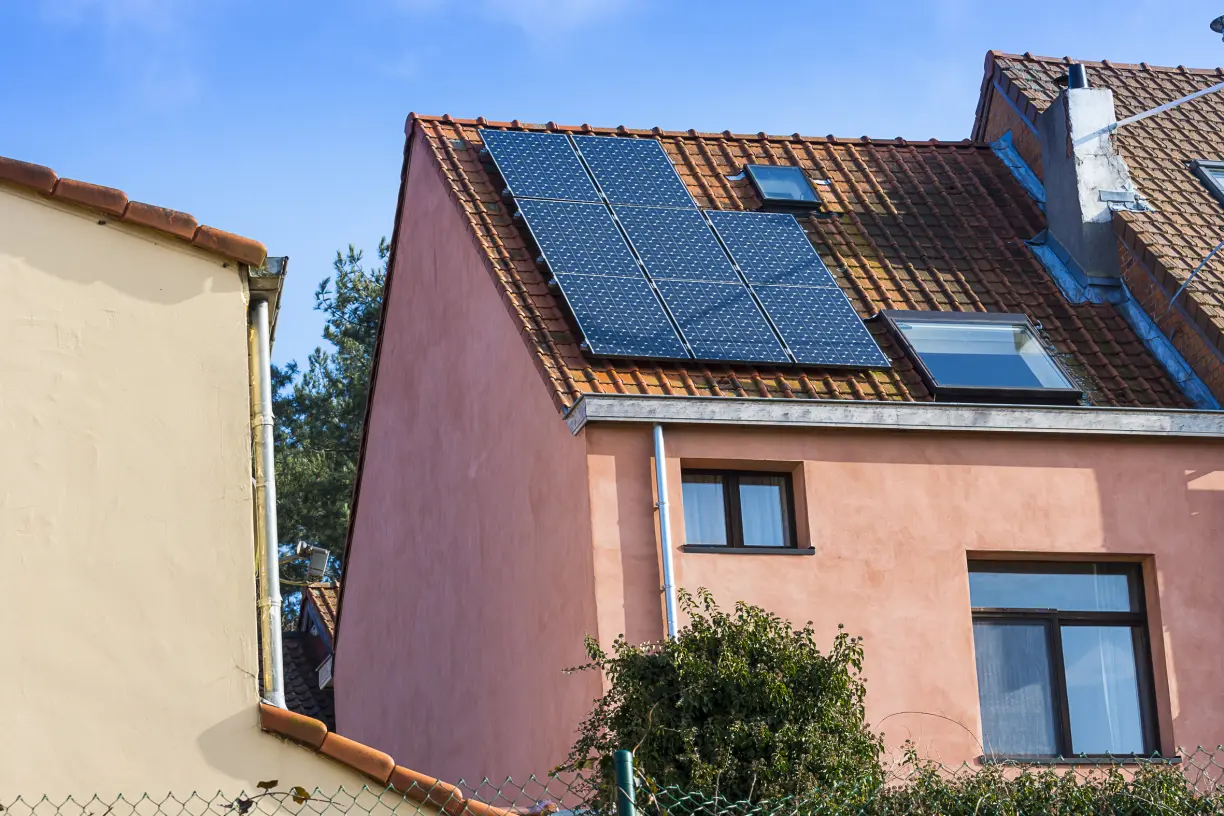
When do my solar panels produce the most?
Do your panels really produce more in summer? From rain and snow to heatwaves, discover the real impact on your system.

Together, we're preparing Brussels for tomorrow.
We bring clarity and know-how. You turn it into smarter energy choices - at home and across the city.
Discover our most read articles on sustainable energy and energy saving.
Do your panels really produce more in summer? From rain and snow to heatwaves, discover the real impact on your system.
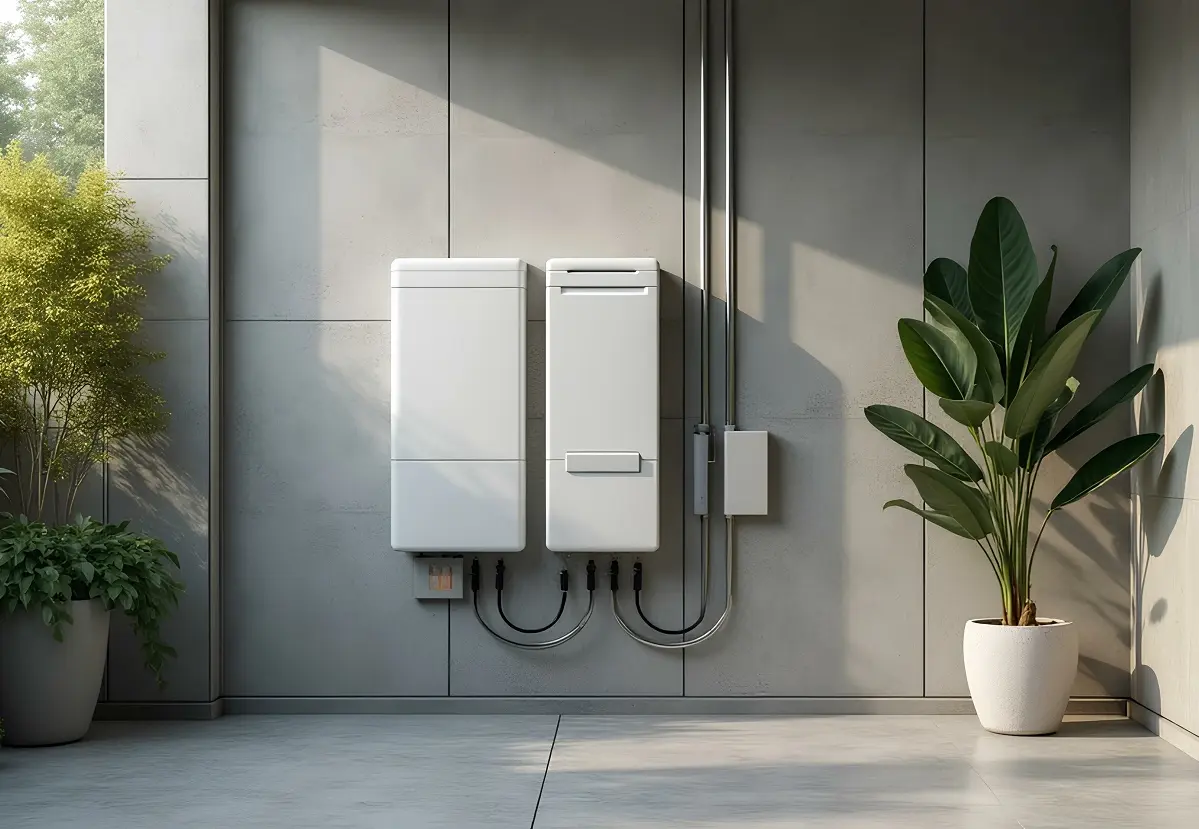
Nowadays, more and more of us are generating our own electricity, but should we also invest in a home battery? Here is our analysis to help you make an informed choice.
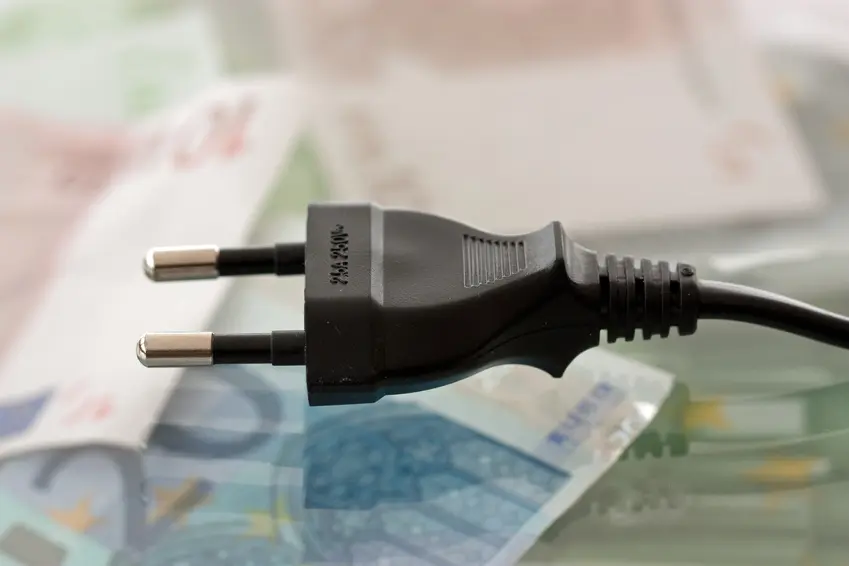
Your appliances on standby are needlessly inflating your electricity bill. Discover how to track down and neutralise this 'phantom' energy consumption.
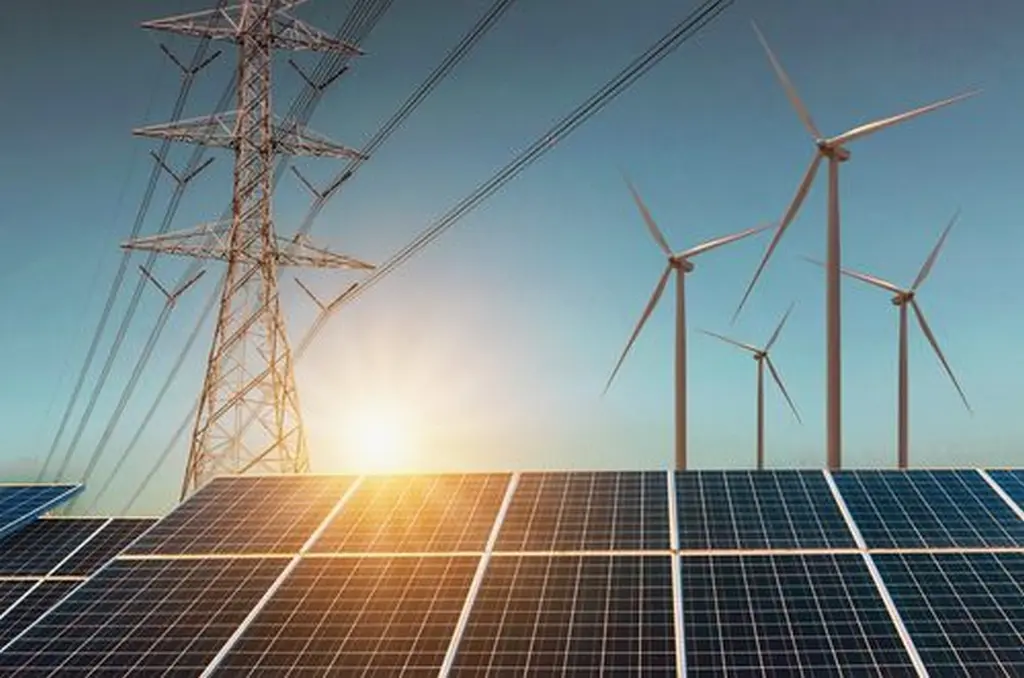
Maintaining the balance of the grid is a constant challenge. A behind-the-scenes look at this invisible balancing act, where you too make a difference.
Discover our most popular articles on energy saving and energy efficiency.

Download our free e-book with clear answers to all your energy questions!
Download our E-book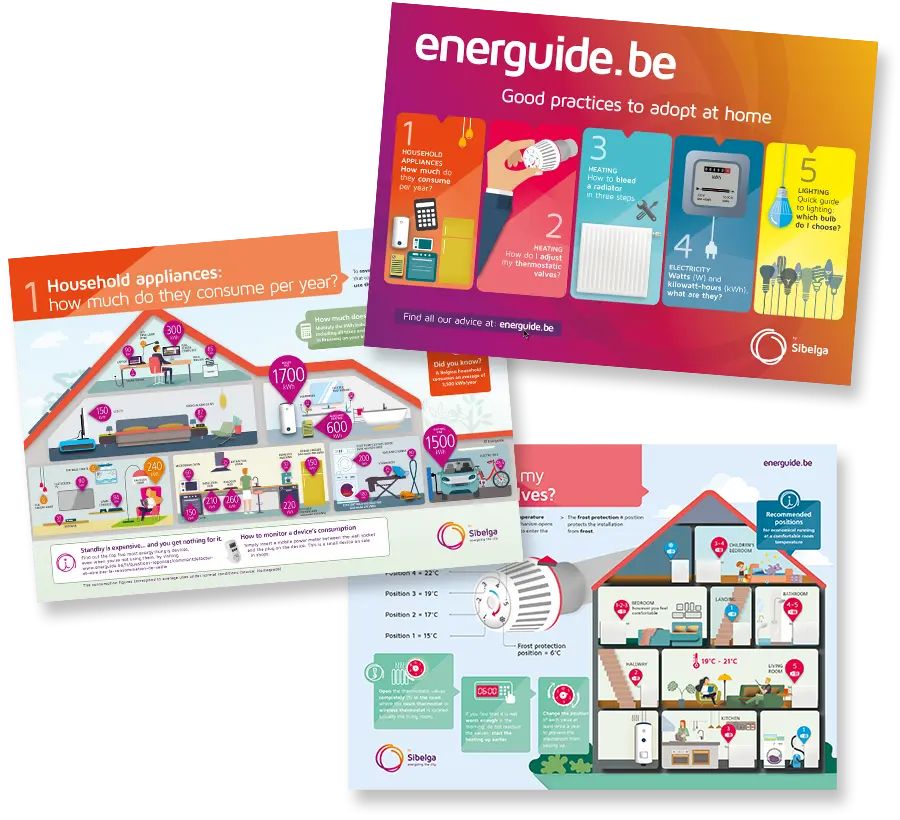
By using sustainable energy, you reduce your ecological footprint. You choose a clean source that puts less strain on the planet. This way, you make a real difference in the energy transition.
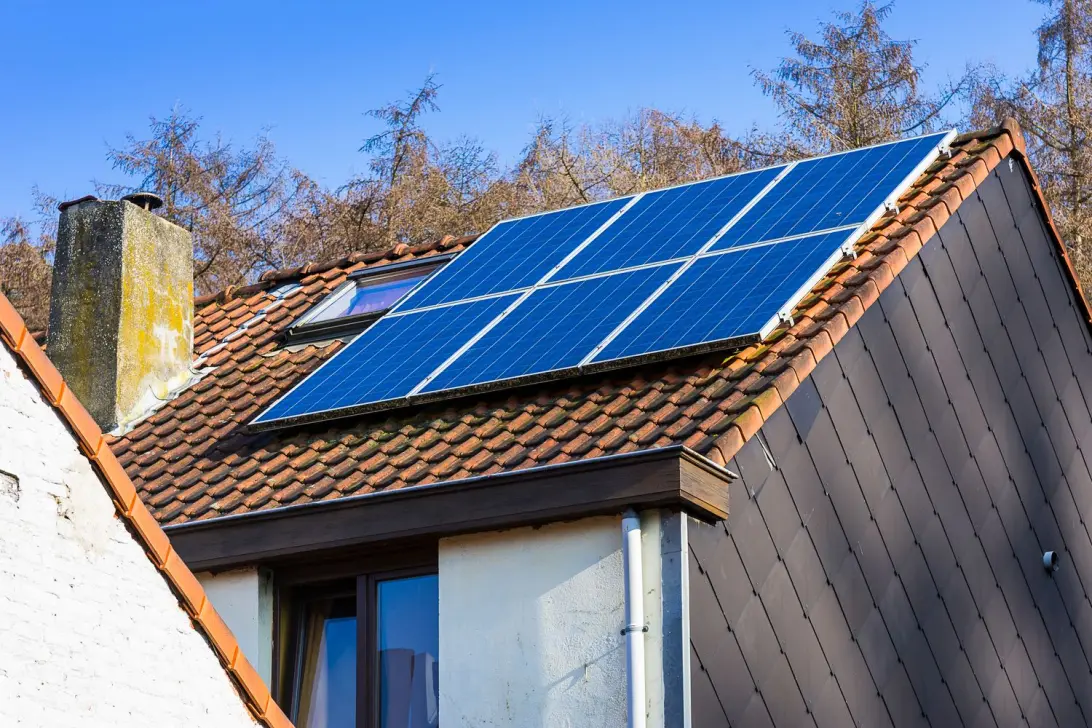
Do your panels really produce more in summer? From rain and snow to heatwaves, discover the real impact on your system.
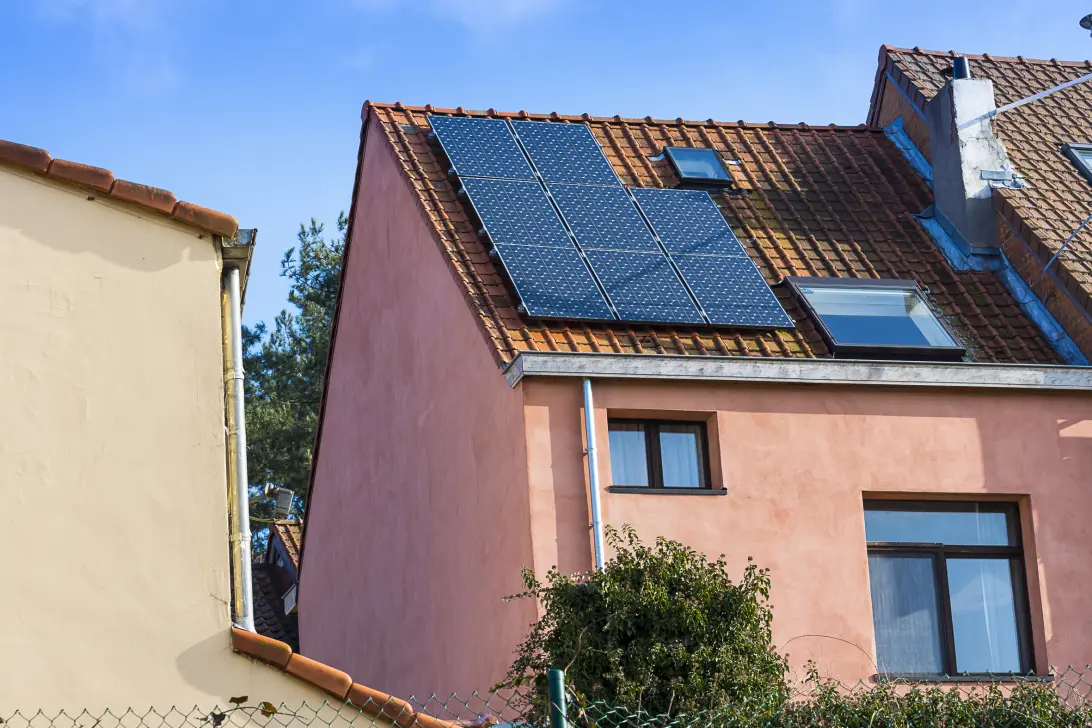
From a ray of sunlight to your coffee machine: Find out how your solar panels create energy and how to choose the right technology for you.
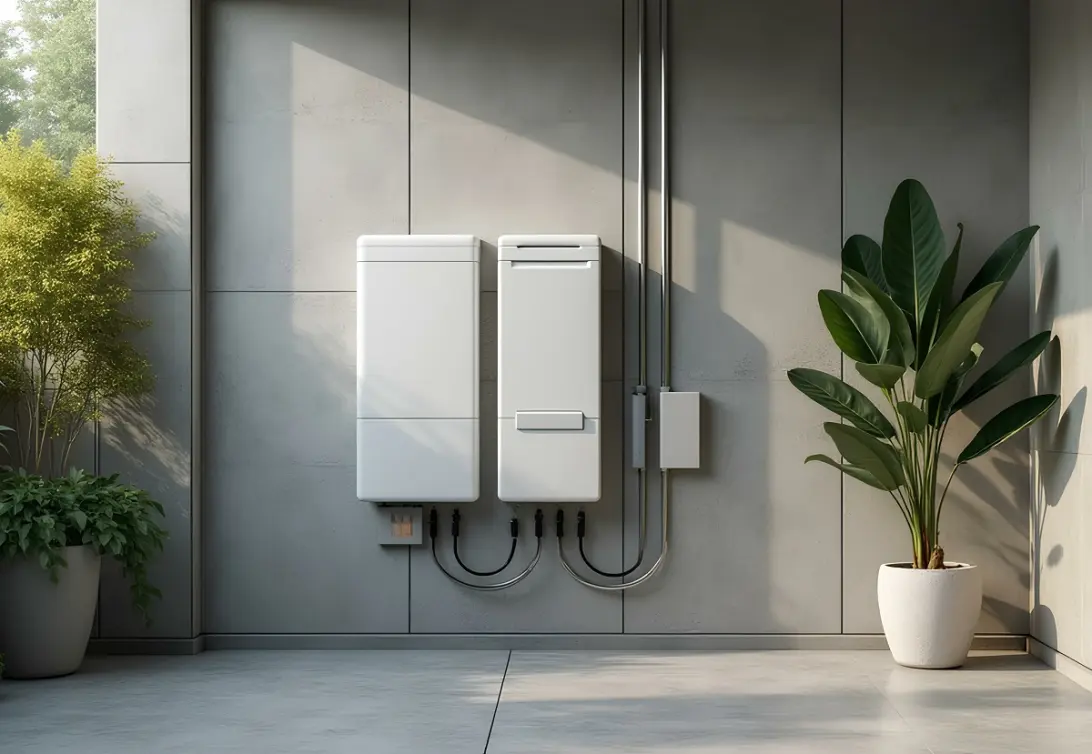
Nowadays, more and more of us are generating our own electricity, but should we also invest in a home battery? Here is our analysis to help you make an informed choice.
Whether you have an analogue or digital meter, there are solutions for closely monitoring the electricity consumption of each of your devices.
Read more
To go further: key energy news and external perspectives selected for you.
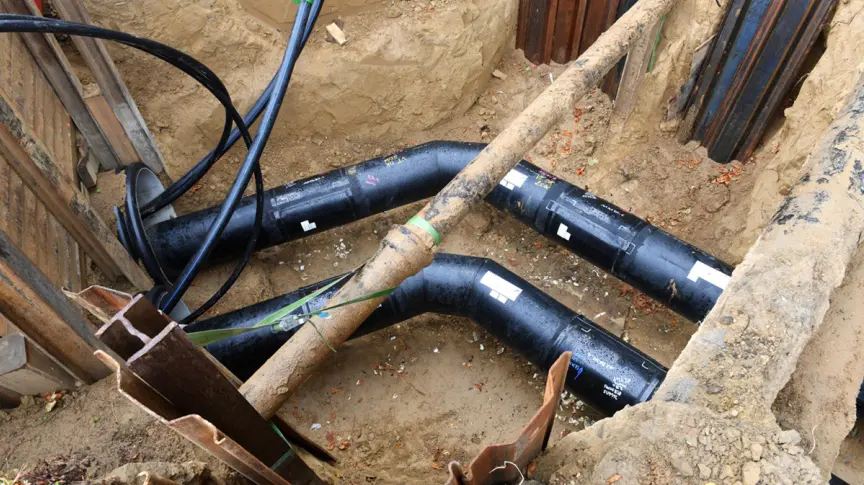
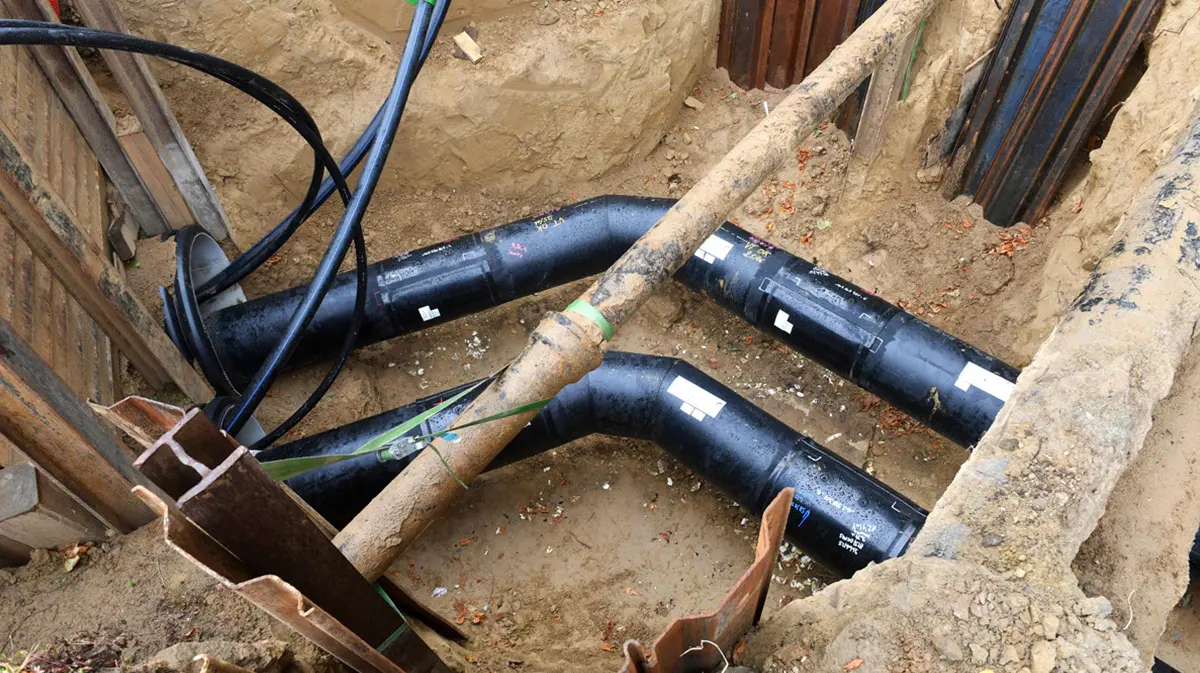
Decarbonising heating is an essential lever for achieving the climate objectives of the Region. The collective solutions being considered include heating networks, an infrastructure which can valorise locally available energy.
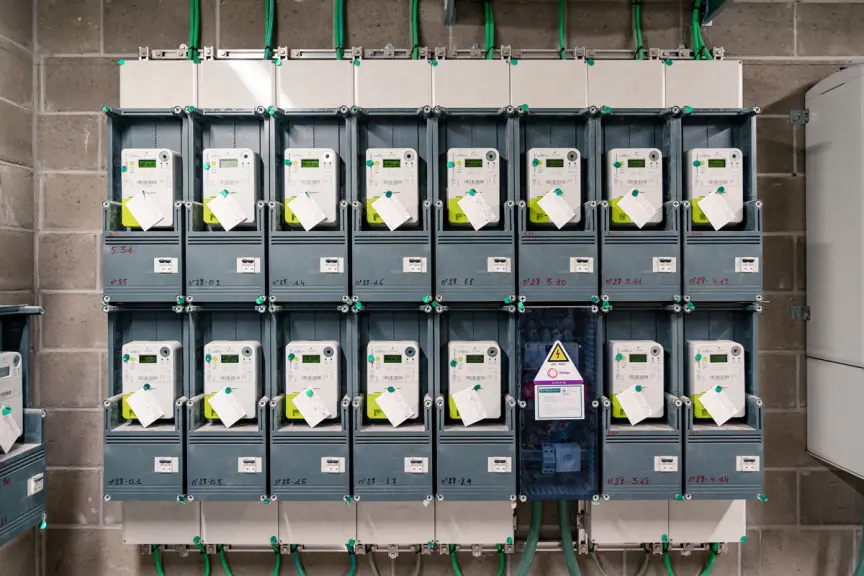
Significant changes have into force for the period 2025–2029. These adjustments apply to both distribution rates and technical services.
The goal is clear: convert 100% of the nearly 90,000 light fixtures on the network to LED by 2030 and reduce energy consumption by 35% compared to 2020.