Plug-and-play panels, also called balcony solar panels, are ideal if you have limited space or a tight budget. They're easy to install and even offer renters or apartment dwellers the chance to contribute to the energy transition.
Note: Some regulations mentioned here apply specifically to the Brussels region. Rules may differ depending on where you live.
What do balcony solar panels yield?
Plug-and-play panels are smaller than traditional solar systems, which affects their output:
- They produce less electricity, but you often consume more than 80% directly yourself - enough to cover your household's entire standby consumption during the day.
- With traditional solar panels, self-consumption averages only 30%, with excess power fed back into the grid.
- Important for Brussels: plug-and-play panels are not eligible for green electricity certificates.
Exemple
In Brussels, a set of two plug-and-play panels pays for itself in 5 to 7 years, depending on panel capacity and solar potential at your location.
How do you install plug-and-play solar panels?
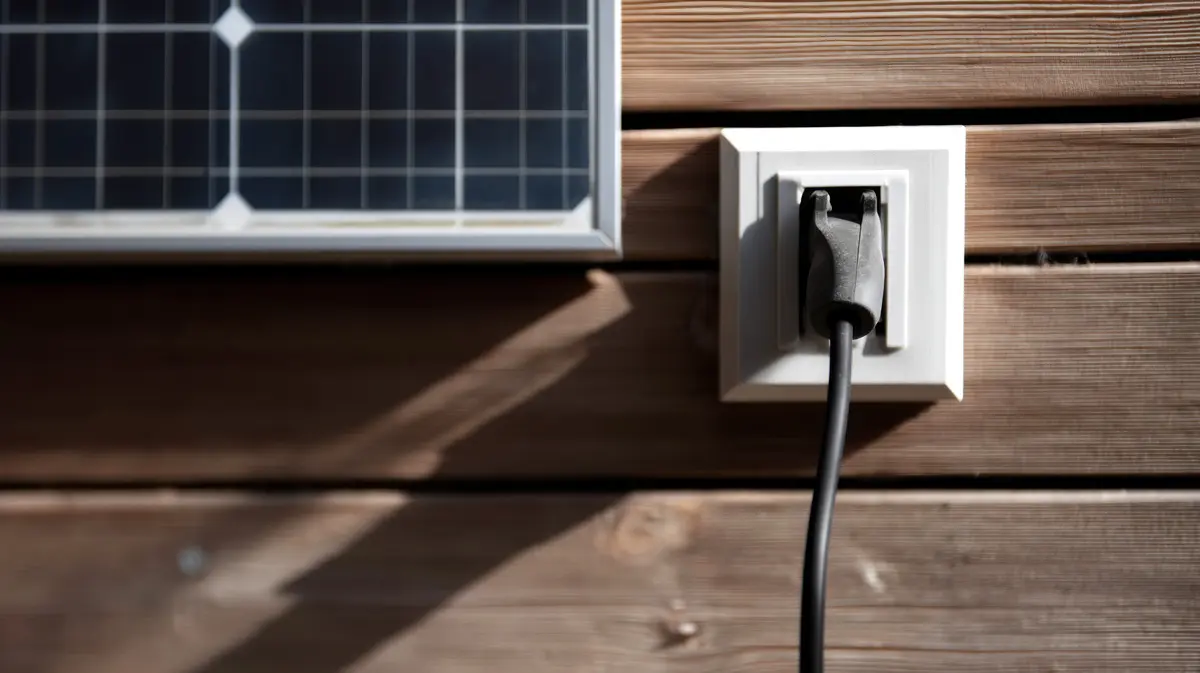
The big advantage: you don’t need a professional installer. Just plug the cable into a socket—no need to modify your electrical panel or add an inverter, as it’s built into the panels.
However, there are several important considerations:
- Circuit capacity: The total output of your panels must not exceed the capacity of the circuit they’re connected to. If other devices share the circuit, factor that in. That’s why these setups usually have just one or two panels.
- Sockets: If you use an outdoor socket (e.g., on a balcony), make sure it’s suitable for outdoor use.
- Mounting: The structure holding the panels must be sturdy and the panels well secured. If they come loose, you could be held responsible.
- Orientation: South-facing is ideal. If you have an east-west balcony, you can place panels in both directions for longer production.
When in doubt (e.g., about circuit capacity or outdoor sockets), consult an electrician.
Rules for Brussels
In the Brussels-Capital Region, procedures for plug-and-play devices are relatively simple:
- You need a smart meter. If you don’t have one, your old analog meter will be replaced with a digital one when you register your panels.
- You must notify the grid operator (Sibelga) about your installation.
- Panels must be approved by Synergrid (see the list of approved devices).
- In some municipalities, a building permit is required.
- If you live in an apartment building, get permission from the co-owners, as the panels may affect the electrical system or the building’s appearance.
Foreign panels?
Plug-and-play panels are popular in Germany and the Netherlands. If you want to buy panels there, always check if they’re on the Synergrid-approved list. Otherwise, you can’t connect them in Brussels.
Plug-and-play or traditional solar panels?
Plug-and-play panels are a viable alternative for generating solar energy, though they have some limitations compared to traditional systems.
| Advantages | Disadvantages |
|---|---|
Simple: no professional installer needed. Affordable: cheaper than a full solar installation. Flexible: easily relocatable, convenient for renters or those who move. | Limited capacity: 300 to 450 watt-peak per panel. No green electricity certificates, but self-consumption can compensate for this disadvantage. |
Conclusion
Plug-and-play devices can be a practical and affordable solution if you live in an apartment, are a renter, or have limited space. Installation is simple and you can take them with you when you move.
They often cover your daytime standby consumption and slightly reduce your electricity bill. They’re a great first step into solar energy, but not a replacement for a full system that can power your entire home.
Frequently asked questions
Can I combine them with a battery?
Yes, but it’s usually unnecessary. Since you use 80% or more of the electricity directly, there’s little surplus to store. A home battery offers little added value in this scenario.
If the panels produce excess electricity and you don’t have a battery, the surplus is fed back into the grid.
Can I sell my electricity surplus?
Yes, under certain conditions:
- You need a smart meter, as it measures both consumption and injection.
- You must have a contract with an energy supplier willing to buy your injected electricity.
The price for returned power is usually low, so it’s still best to use as much as possible yourself.
How to make the most of my solar panels?