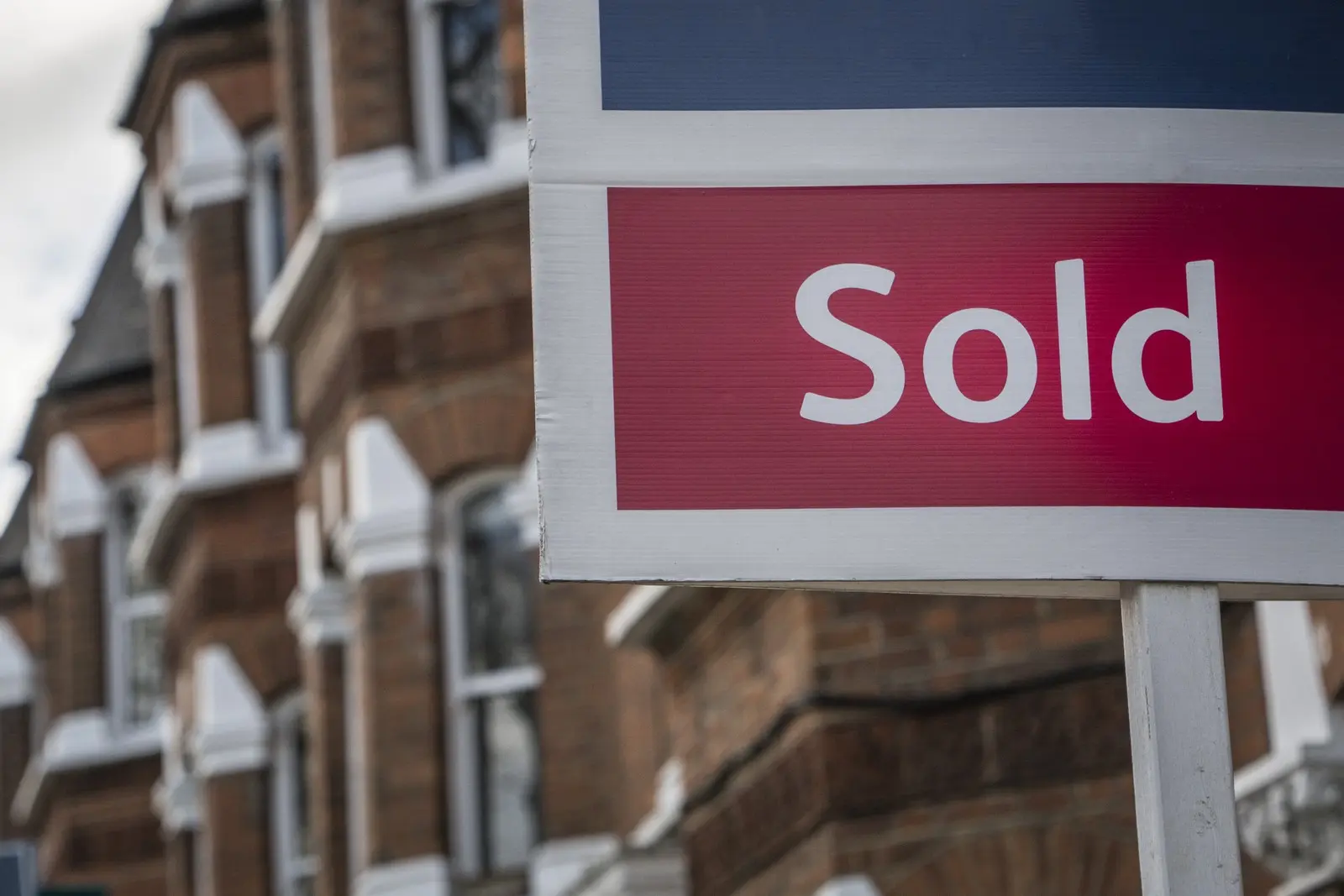
You've no doubt already come across those coloured scales, ranging from apple green to bright red, in estate agents' windows. Whether you're just about to buy or rent the home of your dreams, Energy Performance of Buildings Certificate (EPB certificate) is much more than just another legal hoop to jump through: It's the tool that allows you to see beyond appearances.
An energy ID card
Think of the EPB certificate like an "energy score" for your home. It's an official document that assesses the thermal performance of a property using a standardised method. It evaluates the building envelope (walls, roof, window frames) and its systems (heating, hot water, ventilation).
It awards the building a letter – from A (very efficient) to G (an energy sieve) – and a score for its primary energy consumption. It's an essential tool to find out what your house is really made of.
The EPB rating: a "local" score
Brussels, Flanders, and Wallonia each have their own calculation methods and thresholds. Brussels is generally more demanding: a score that achieves a "C" in Wallonia might only get a "D" or an "E" in the capital. Keep this in mind when comparing properties across regions!
What is it used for in practice?
The EPB certificate isn't just an administrative formality; it fulfils three essential missions:
- Knowledge: It provides an objective overview of the strengths and weaknesses of your insulation and your installations.
- Comparison: It's the only way to put a house from 1920 and an apartment from 2010 on an equal footing when carrying out a property search.
- Advice: The certificate includes personalised recommendations on how to improve your score. It serves as your roadmap for any future renovation work.
The EPB certificate doesn't predict your consumption
Be aware: The EPB certificate doesn't predict your actual consumption to the nearest cent. Why? Because it's based on "standard" behaviour. If you heat your home to 23°C all year round or you take 3 baths a day, your bill will be higher than the certificate suggests, as that's based on a reasonable average.
When is it mandatory?
In Brussels and elsewhere, the rule is simple: Transparency above all. You must order your certificate before you even draft your property listing. It's mandatory as soon as a property is put on the market, whether for sale or to let.
The EPB index (the coloured letter) and the consumption indicators must be visible on all property listings (posters, websites or social media).
This allows future occupants to factor in energy costs into their budget right from the start, avoiding any nasty surprises after signing the papers.
Is it mandatory to have an EPB certificate if I want to rent or sell my property?
Have you thought about an EPB certificate? From writing the listing to signing the final deed, here's everything you need to know to stay compliant!
Validity period: what you need to know
The EPB certificate is valid for 10 years in all three regions, unless you carry out any work that improves the performance in the meantime (such as changing the boiler or insulating the roof). Be careful, though, as the usage rules can vary depending on the region. It's therefore advisable to check the applicable conditions when you come to sell or let the property.
How is it drawn up?
The certificate isn't just a simple self-assessment done by the owner. It must be issued by an accredited certifying body. The expert uses a calculation method that takes into account all energy "entering and leaving" the property overall:
- Level of thermal insulation (walls, roof and window frames).
- Ventilation system and airtightness.
- Sources of renewable energy (solar panels or water heaters).
- Heating systems and any cooling systems.
They'll use an official calculation method (the Region's protocol) to enter all this data into software that will generate the final verdict.
Did you know?
You can search for all valid certificates for houses in Brussels using an address or a certificate number in the EPB certificates register.
How can you prepare for a visit from the certifying body?
The certifying body can only take into account what they can see or what has been proven by official documents ("acceptable evidence"). To avoid them ticking the "default value" box (often heavily penalised), make sure you have:
- Detailed contractor bills.
- The data sheets for your insulation or your boiler.
- Photos of the work (if the insulation is now hidden behind a partition).
- The architect's plans.
How much does it cost?
There is no official price for the issuing of an EPB certificate. Each EPB expert sets their rates depending on the building and how easy it is to access the information they need.
Prices therefore vary depending on the size and complexity of the property as well as the services provided. As a guide, market prices often range from:
- €150 to €300 for an apartment (VAT included).
- €300 to €500 for a house (VAT included).
Brussels' EPB C+ target
The building stock in Brussels, which mainly dates from the 1960s, is one of the least energy efficient in Europe. One third of the buildings have no insulation at all. The Region is striving to step up the pace of building renovations, with the aim of achieving an average EPB score of C+ for all buildings in Brussels, which would equate to an annual average consumption of 100 kWh/m².