Good insulation and a heat pump are the ideal combo for heating your home without your bills skyrocketing. However, to keep consumption as low as possible, the system must be perfectly tuned. A few simple adjustments are all it takes to consume even less.
The tips below are general recommendations. Above all, always follow the advice of your technician. You should also consult them before making any significant changes to your settings.
Avoid temperature differences
Heat pumps work most efficiently when they maintain a constant temperature. The more stable the installation, the lower the power consumption.
It is a misconception that you save energy by significantly lowering the temperature at night or when you are away. On the contrary: the heat pump then has to work harder to heat the house again.
Do you still want to adjust the temperature? The recommendations vary depending on the heating system:
- For traditional installations (e.g. with radiators or fan coil units): If you want to lower the temperature (e.g. at night), do so by a maximum of 1 to 2°C to keep consumption under control.
- For underfloor heating: Stability is even more important here. Lower the temperature by a maximum of 1°C or leave it constant. Otherwise, the inertia of the system will cause it to use too much energy to heat the home again.
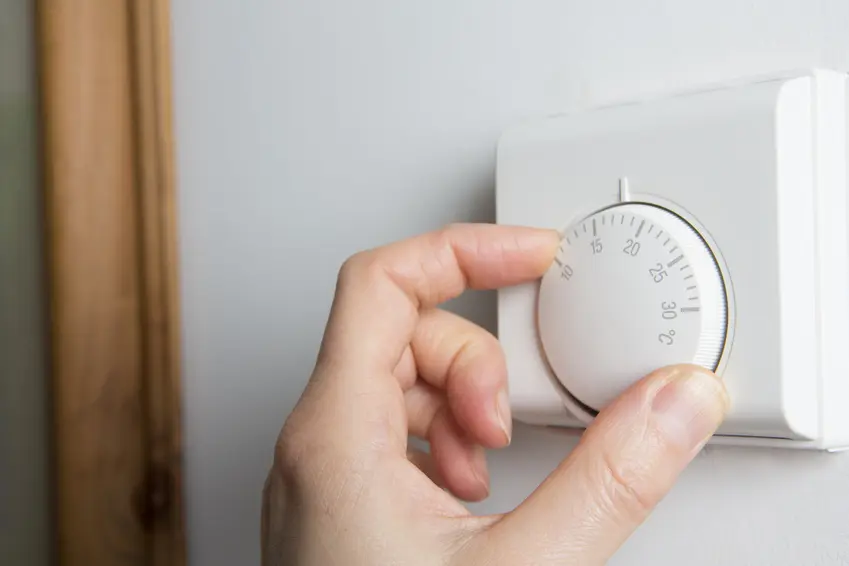
How to set your thermostat efficiently?
Properly adjusting your thermostat can reduce your energy bill by up to 15%. More comfort, less waste… and all without any effort.
Lower your water temperature
Installers sometimes set the temperature of the heating water higher than strictly necessary. But the higher the temperature, the more electricity your heat pump consumes and the lower the efficiency.
- For classic low-pressure heat pumps: The flow temperature of the heating water should preferably be as low as possible (max. 40°C). This is the case if you have underfloor heating, oversized radiators or fan coil units.
- For high-temperature heat pumps: The water temperature for this type of heat pump can reach up to 65°C. In that case, do not adjust anything. Follow your installer's recommendations for your traditional radiators.
Did you know?
The water flow temperature is generally controlled automatically by an outdoor sensor. This ensures the heat pump never heats more than necessary. Instead of heating the water to a fixed temperature, it adapts in real time:
- If it is 0°C outside: The sensor alerts the heat pump that it is cold. The heat pump increases the water temperature (e.g. 40°C) to compensate for the heat loss in the home.
- If it is 12°C outside: The sensor indicates that the weather is mild. The heat pump automatically lowers the water temperature (e.g. 30°C).
Beware of electrical resistance
Many heat pumps are equipped with an electric back-up or emergency heater. This kicks in when the heat pump can no longer meet the heating demand (for example, during extreme cold or in the event of a fault).
This heater consumes a lot of electricity. If the manufacturer's recommendations allow it, you can limit its automatic activation or opt for a manual mode. This gives you better control over when it switches on.
Please note: disabling it systematically or switching it to 'manual only' can cause issues during very cold weather and may affect the safety or the warranty of the installation.
Maintain it regularly
Unlike traditional boilers, periodic maintenance for residential heat pumps is generally not a legal requirement. However, obligations may apply in certain cases (gas or hybrid heat pumps, installations subject to environmental permits, EPB regulations for air conditioning, or European F-gas regulations).
A full service every 2 years by a qualified technician is, however, strongly recommended. This ensures you maintain high efficiency and keep your energy consumption to a minimum.
- Maintain efficiency (COP): A dirty evaporator or low refrigerant level forces the heat pump to work harder. As a result, the system consumes much more electricity to deliver the same amount of heat.
- Ensure air circulation: You can take action yourself by regularly cleaning the outdoor unit. Remove leaves or debris that block the grille; an obstructed airflow will increase your energy bill.
- Prevent defects: During the biannual maintenance, the professional will detect wear and tear on parts in good time. This prevents overconsumption or expensive repairs in the future.
Monitor your electricity consumption
By regularly checking your electricity consumption, you can avoid surprises on your energy bill. You will notice deviations or unnecessarily high consumption more quickly, as well as settings that are not optimal. This allows you to take timely action and make adjustments.
Did you know?
In Brussels, you can easily keep track of your consumption with the My Sibelga app. Want to go one step further? Then opt for an Energy Management System (EMS) for extremely detailed monitoring of your installation.
Combine with solar panels
An excellent way to reduce the energy costs of your heat pump is to run it on self-generated, sustainable electricity. But beware: generating electricity alone is not enough. It's all about timing.
By smartly matching your consumption to your yield – for example, by heating your home during the day – you can really make a difference. It is the key to using your heat pump even more sustainably and reducing your bill even further.
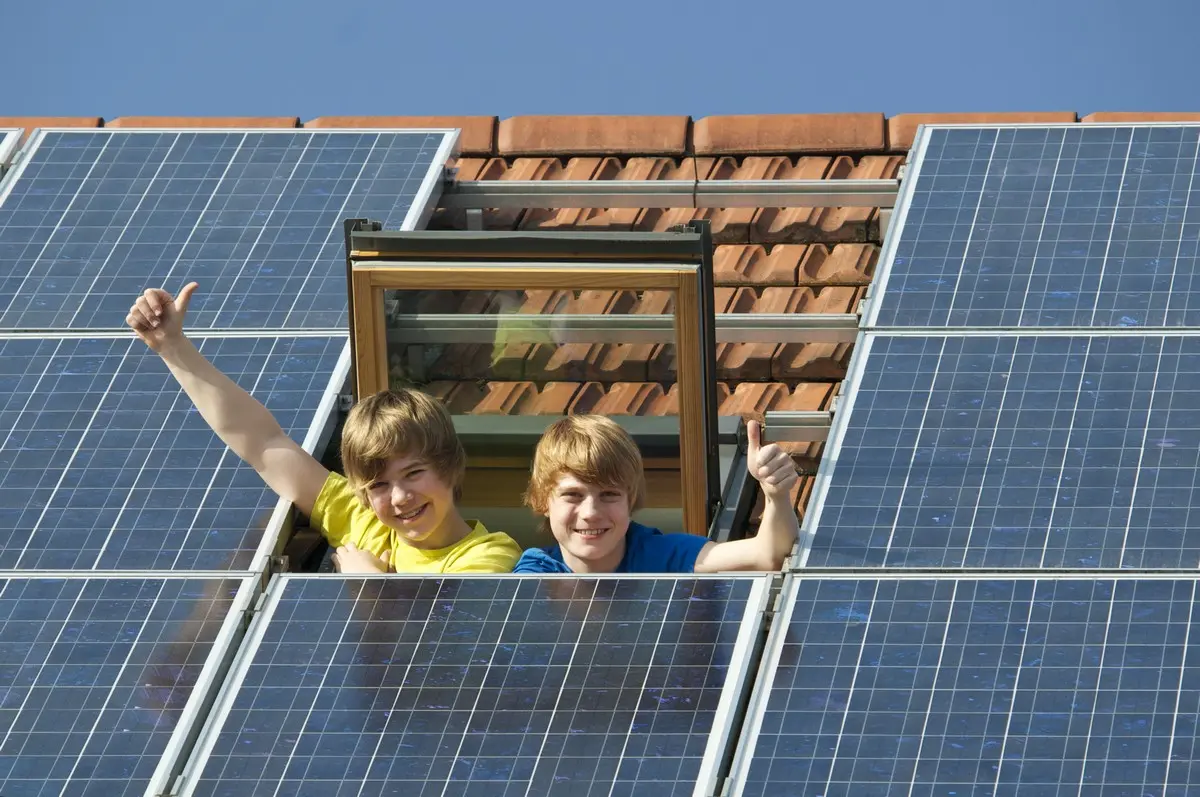
How to make the most of my solar panels?
It’s not just about generating power, but also about consuming it smartly. Discover how to perfectly match your consumption to your own output.