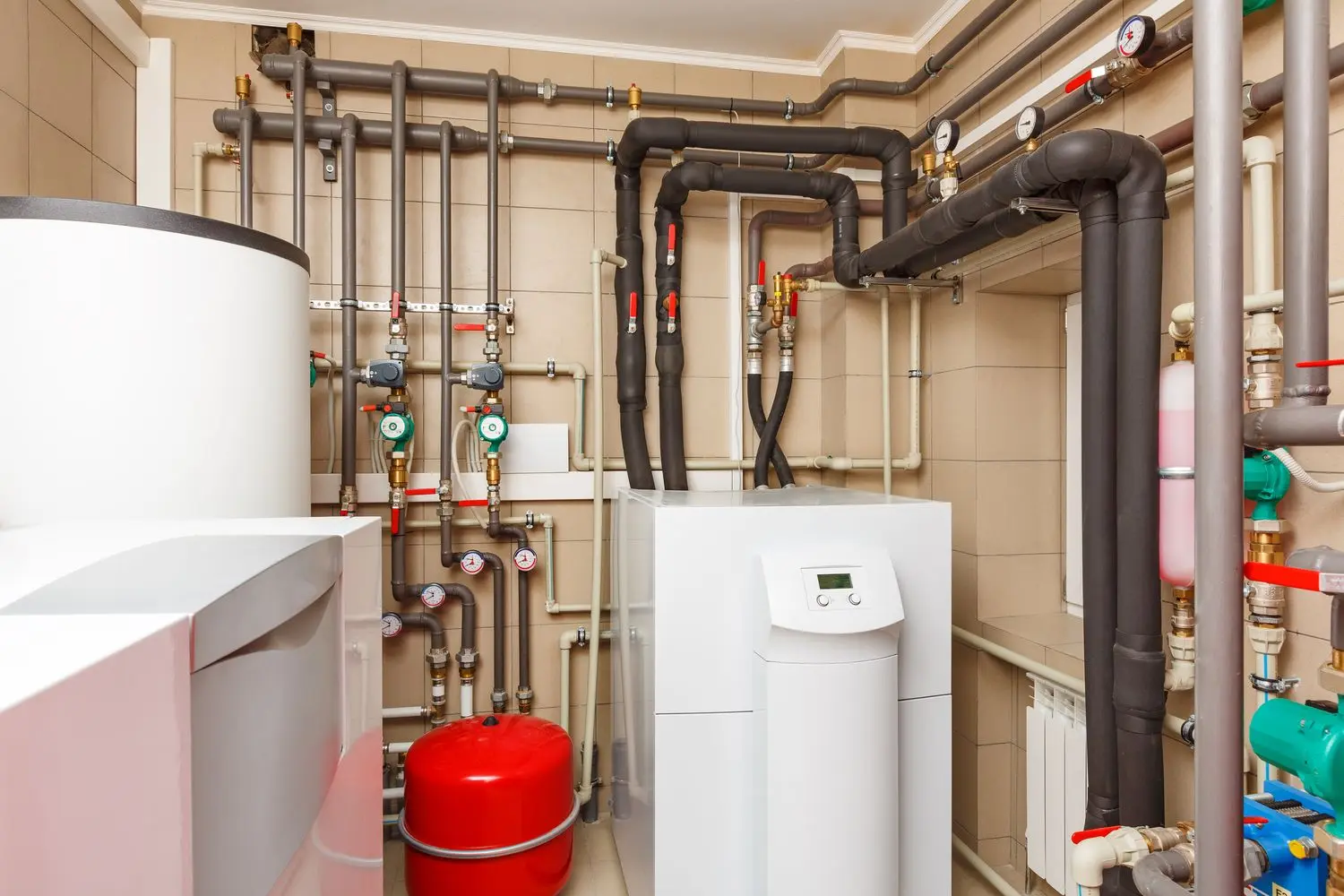
A heat pump remains an excellent choice, but although there are many advantages, every situation is different. Find out here what you need to consider and decide whether the investment is really worth it.
A higher initial investment
The complete installation (the unit, the domestic hot water tank and any electrical modifications) costs about twice as much as simply replacing a gas boiler.
However, this difference must be put into perspective: you are not just buying a burner, but a real energy plant capable of producing more heat than it consumes in electricity. This translates directly into lower operating costs, especially if you combine this system with solar panels to produce your own green electricity.
By combining savings on your energy bill with subsidies and tax breaks, the initial additional cost can be gradually recouped. As a general rule, this period lasts between 8 and 15 years. However, how quickly you recoup your investment depends heavily on your consumption, the level of insulation, energy prices and the presence of solar panels.
In the long run, it’s always a win. Plus, you’re future-proofing yourself against the impact of upcoming fossil fuel taxes (ETS2).
What financial support is available?
In Belgium, you only pay 6% VAT on the installation of a heat pump, compared to 21% for gas.
As far as grants are concerned, the situation varies from region to region. In Brussels, the rules change frequently; check Renolution.brussels for the most up-to-date information on available incentives. In Flanders and Wallonia, you can count on significant support via Mijn VerbouwPremie or the Walloon Prime Habitation. The amounts depend on your income.
They require proper insulation
Heat pumps are not suitable for all homes. In a poorly insulated home, a heat pump will not work optimally. This is because the system will have to operate at too high a speed to compensate for heat loss, which will cause your electricity bill to skyrocket.
Do you live in a house where heat escapes quickly through the roof, walls or windows? Then it is best to invest in insulation. Reducing consumption is always the first step towards greater sustainability. Thanks to the savings you make, you will later be able to invest in a heat pump that is tailored to your home.
No need for a thermal fortress
Contrary to popular belief, many homes are actually already ready for a heat pump. A recent Belgian study reveals that nearly 70% of homes in Flanders are already compatible with a heat pump (conventional or hybrid), without the need for major insulation work.
Efficiency decreases in cold weather
In cold weather, the coefficient of performance (COP) of your heat pump decreases. Your system then extracts less heat from each kWh of electricity. The colder it is outside, the more the heat pump has to increase its power and consume electricity.
When the outside temperature is between 2 °C and -7 °C, your electricity consumption will increase significantly. However, modern appliances equipped with inverter technology automatically adjust their power (for example, from 30% to 100%). This makes them much more efficient than older ‘all or nothing’ systems, which only operate at 0% or 100%.
A limited problem in Belgium
In Belgium, the average annual temperature is around 11 °C. For most of the year, your heat pump will therefore operate in excellent conditions.
In some regions, the temperature can drop below -10 °C, but these cold spells are exceptional in our temperate climate. To cope with this, most modern heat pumps automatically incorporate auxiliary heating (electric resistance).
Sometimes radiators need to be replaced
The idea that a heat pump requires you to tear everything up to install underfloor heating is a persistent myth. In many cases, your existing radiators will do the job perfectly well, provided they are large enough to heat the house with lower-temperature water.
The need for any adjustments depends entirely on the current state of your installation. It is therefore essential to check whether your home is ready before planning any major work.
Often, older radiators were ‘oversized’ at the time. If your home has been better insulated over the years, these same radiators are now often powerful enough to comfortably heat your home with the cooler water from a heat pump. So you certainly don't need to replace everything blindly.
The 50 °C test
Want to know if your radiators are compatible? Try this simple test: set your current boiler to 50° C for at least 2 weeks of cold weather. Is your home comfortably heated throughout? If so, there is a good chance that your radiators can already operate efficiently with a low-temperature heat pump. If this is not the case, replacing some radiators or opting for a hybrid solution will probably be more appropriate.
Noise and regulations
Although heat pumps are the solution of the future, installing them requires more preparation than installing gas or oil systems. The presence of an outdoor unit means additional rules must be followed in terms of urban planning and good neighbourliness. For a smooth transition, there are 2 points to consider.
Noise nuisance
With a noise level of 35 to 45 dB (comparable to the noise of a dishwasher), modern heat pumps have become significantly quieter. However, location remains crucial: avoid corners that amplify sound or locations directly beneath a bedroom window, in order to limit disturbance to yourself and your neighbours.
What about Brussels?
In Brussels, specific noise standards and distance rules apply. The installation must not exceed the permitted noise standards at the property boundary. At night, the rules are even stricter. Fortunately, most modern appliances have a silent mode that automatically reduces the fan speed to limit noise at night.
Planning regulations
An outdoor unit changes the appearance of your home. In fact, it is often prohibited to install it in a visible location on the front façade. Depending on your municipality, a permit or declaration may be required, especially if the unit is visible from the street. Therefore, check with your local planning department beforehand.
Any doubts about the location or regulations? Always seek advice from a certified technician or from urban.brussels. This will help you avoid complaints, fines or modifications after the fact.
Do you live in an apartment?
In apartments, certain specific points must also be taken into account. A compact air-to-air heat pump can sometimes be a good option, but always consult the property manager and check local regulations.
Is it still worth it?
Absolutely, as long as your home is well insulated. The higher investment is offset by lower energy bills and minimal environmental impact.
Is switching to all-electric still too much for your budget right now? In that case, a hybrid heat pump could be an excellent first step. It allows you to heat your home in a much more sustainable way without having to renovate your entire home immediately.
In summary: whether you choose all-electric or hybrid, you are protecting yourself against rising fossil fuel taxes and increasing the value of your home for the future.