
Insulating must be the priority. Homes and buildings in Belgium are among the most poorly insulated in Europe. On average, our houses are insulated like homes in Portugal. In the Scandinavian countries, the household heating budget is lower than that of Belgian households. so there is a great deal to be done in this field here in Belgium.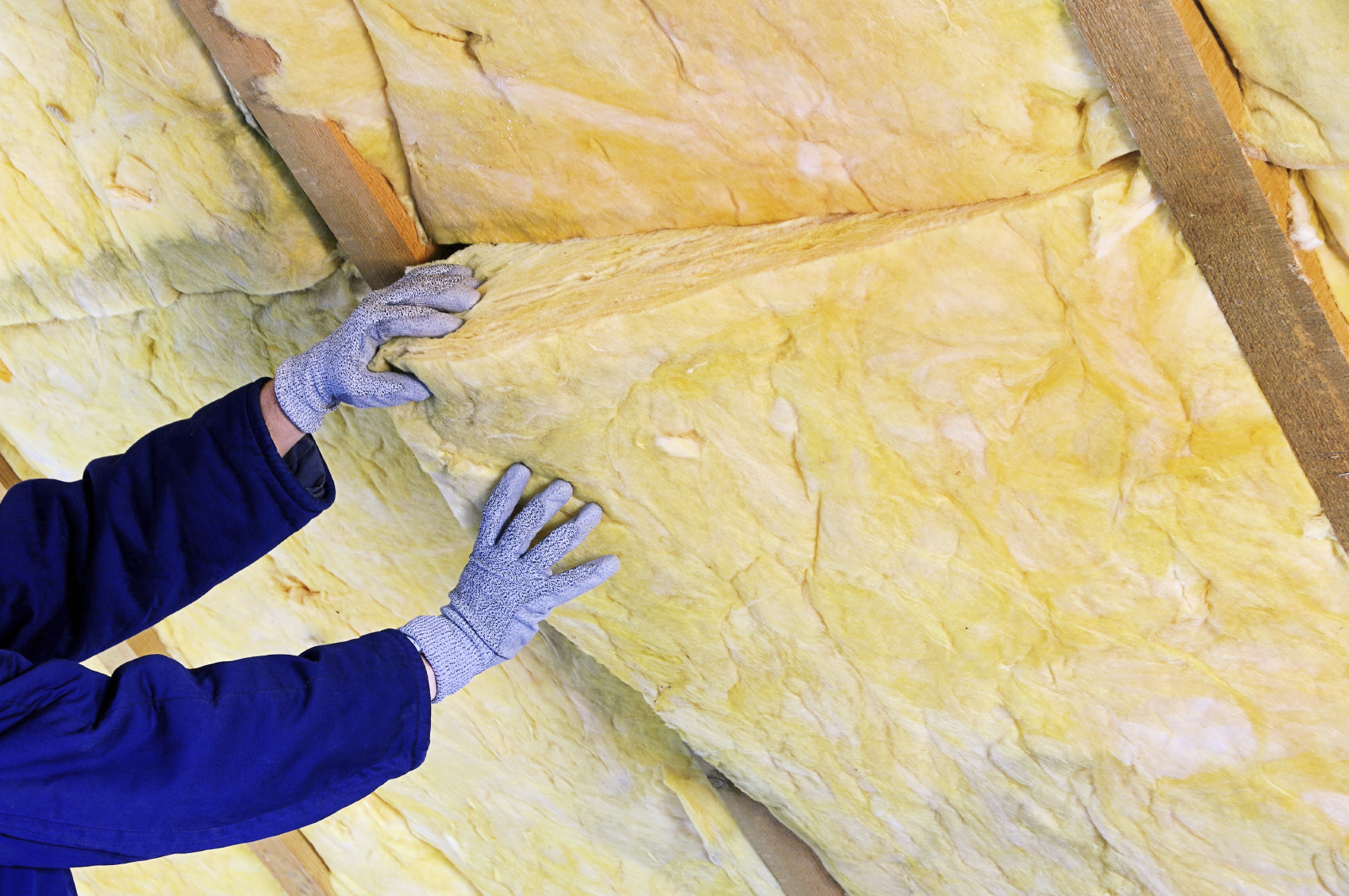
What insulation thickness should you install?
The thickest possible. Every euro spent on adding a layer of insulation is reimbursed and then pays off in heating energy savings. In passive houses, the insulation is up to 40 centimetres thick. These houses no longer need a heating installation.
Lambda coefficient
The materials can be compared on the basis of their “lambda” or thermal conductivity coefficient. This is always indicated on the packaging. The lower the lambda, the more efficient the insulation. So a thinner layer of an insulating material with a low lamba is needed to obtain the same insulation capacity.
A higher lamba does not mean that an insulating material is of less good quality. It’s just that you need a thicker layer to compensate.
Here are the lambda (λ) thermal conductivity coefficients, expressed in W/mK (watts per metre times Kelvin) for some insulating materials:
- Polyurethane 0.023 to 0032 W/mK
- Glass wool 0.032 to 0.040 W/mK
- Extruded and expanded polystyrene 0.029 to 0.042 W/mK
- Cork 0.038 to 0.040 W/mK
- Paper flakes 0.039 W/mK
- Perlite-vermiculite 0.051 to 0.053 W/mK
In practice
In practice, 7 to 9 cm of polyurethane insulates as much as
- 9 to 12 cm of glass wool or polystyrene
- 13.5 cm of cork
- 42 to 70 cm of cellular concrete
- 60 cm of wood
- 300 cm of solid bricks
We can therefore see that a solid, uninsulated wall, even if it is very thick, offers no insulation benefits.
The most profitable investment
Insulating costs less than any other energy investment and starts paying off immediately. What’s more, it is something you can do yourself, bringing the cost down still further. Finally, insulation is subsidised by means of grants that improve its economic profitability still further.
Ventilation is essential with insulation. In the past, houses were ventilated naturally by cracks in doors and windows. But a house insulated in accordance with current criteria is airtight. However, all human activities give off humidity. Without ventilation, a very well insulated house will inevitably suffer from damp problems:
- condensation
- the appearance of mould
- deterioration of wallpaper, plastering and paintwork
- appearance of allergies and respiratory problems among the occupants.