
When you turn on a light at home or turn up the heating, you rarely wonder where that energy comes from. Yet, its origin says a lot about our network's dependency and its transition toward the future.
Where does our natural gas come from?
The majority of the gas we consume in Belgium now comes from Norway, France, the Netherlands, the UK, Russia and Qatar. Russian gas, which already represented only a minor fraction of our consumption, is now subject to strict import restrictions.
Natural gas is extracted from fields that are usually located in the same production areas as oil. From the producing countries, it is transported to our borders via pipelines or LNG tankers.
- Onshore pipelines transport gas coming from the Netherlands, France, and a portion of the gas from Norway.
- Subsea pipelines carry gas from the United Kingdom and the remaining portion of Norwegian gas.
- LNG tankers supply our country with natural gas in liquid form via the terminal of Zeebrugge. The liquid gas is temporarily stored there in storage tanks. It is then regasified to be injected into the transmission network, and subsequently into the distribution network.
Did you know?
Why do we call it “natural” gas? It is not a marketing gimmick, but a way to distinguish it from the old “town gas” of the 19th century, which was manufactured in factories from coal. Natural gas, on the other hand, is extracted directly from the depths of the Earth, where it was formed millions of years ago!
Where does our electricity come from?
Historically, domestic production covered almost all of our needs. Today, adjustments to the nuclear fleet force Belgium to import a share of its electricity from neighbouring countries (around 26% in March 2026), mainly from France and the Netherlands.
In November 2025, the Belgian electricity mix was broken down as follows:
- Nuclear energy: 31.5%
- Wind energy: 26.5%
- Solar energy: 5.5%
- Other renewables: 6%
- Fossil and others: 30.5%
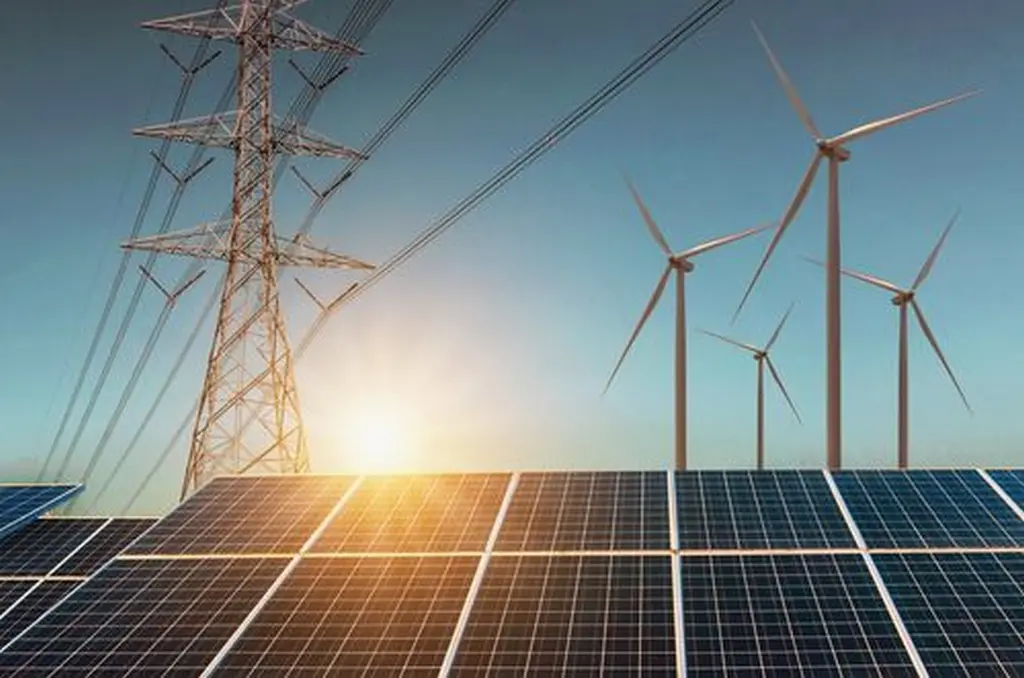
Why does the electricity grid have to stay in balance?
Maintaining the balance of the grid is a constant challenge. A behind-the-scenes look at this invisible balancing act, where you too make a difference.
Reshaping the nuclear landscape
Out of the 7 historical reactors located in Doel and Tihange, 5 have been permanently shut down. However, the government has chosen to extend the 2 most modern reactors until 2035. The current challenge is to build a balanced energy mix. This involves:
- Extending the lifespan of current power plants.
- Developing renewable energies.
- Researching the new generation of reactors (SMRs).
It is this complementarity that will guarantee our security of supply while supporting the energy transition.
Belgium, an importer of primary energy
Electricity is a so-called “secondary” energy because it is always produced by transforming a primary energy, meaning the energy directly available in nature.
Petroleum and natural gas are the most heavily imported primary energies. Next come solid fuels (coal and others). Nuclear fuel (uranium) is also imported. In 2024, our country relied on imports for more than 75% of its primary energy.