Moving into a new home can be an exciting time, but it often comes with a heap of formalities that can quickly make your head spin. Between unpacking boxes and choosing paint colours, energy management often becomes a second thought. However, managing your obligations is not just about paperwork: it guarantees everyday peace of mind.
You've just unpacked the last of your boxes in this lovely apartment. The neighbourhood is nice, the light is great... then comes your first winter. Suddenly, the boiler packs up or a plug socket begins crackling. That's when the questions come thick and fast: is it up to me to call the technician? Who pays for it?
The general principle is that the tenant pays for normal wear and tear, but the landlord pays for any breakdowns. Here's how to calmly navigate between your rights and obligations and avoid your move turning into an administrative headache.
Electricity: use "with due care and responsibility"
In Belgium, the landlord must provide you with accommodation that has a compliant and secure electrical system. Once you have the keys, it's your responsibility as the tenant to use the system properly and carry out routine maintenance.
Your main obligation is to keep the system in good working order and use it with care. This means that if you replace a light bulb, you must not exceed the maximum power indicated on the light. Similarly, if a fuse blows or a circuit breaker trips, it's your responsibility to restore power or replace the fuses.
A bright move
Did you know that tenants can reduce their lighting bill by up to 80% simply by replacing old light bulbs with LEDs? Even if they were there when you moved in, there's nothing to stop you changing them. One more tip: keep the old light bulbs in a box so you can put them back before your exit inspection and take your LEDs with you to your next place!
Gas and heating: who does what?
This is where responsibilities overlap. The golden rule is the landlord provides a system that is in good working order and compliant, while the tenant is responsible for routine maintenance.
Landlord's obligations
Before anyone moves in and for the duration of the lease, the landlord must:
- Guarantee compliance: the system must comply with safety standards (ventilation, safe removal of flue gases).
- Take care of major repairs: if the boiler breaks down due to wear and tear (a part worn out over time) or a fault, the landlord is responsible for the cost.
- Replace the appliance: if the boiler is too old and no longer passes the combustion inspection, the landlord must replace it.
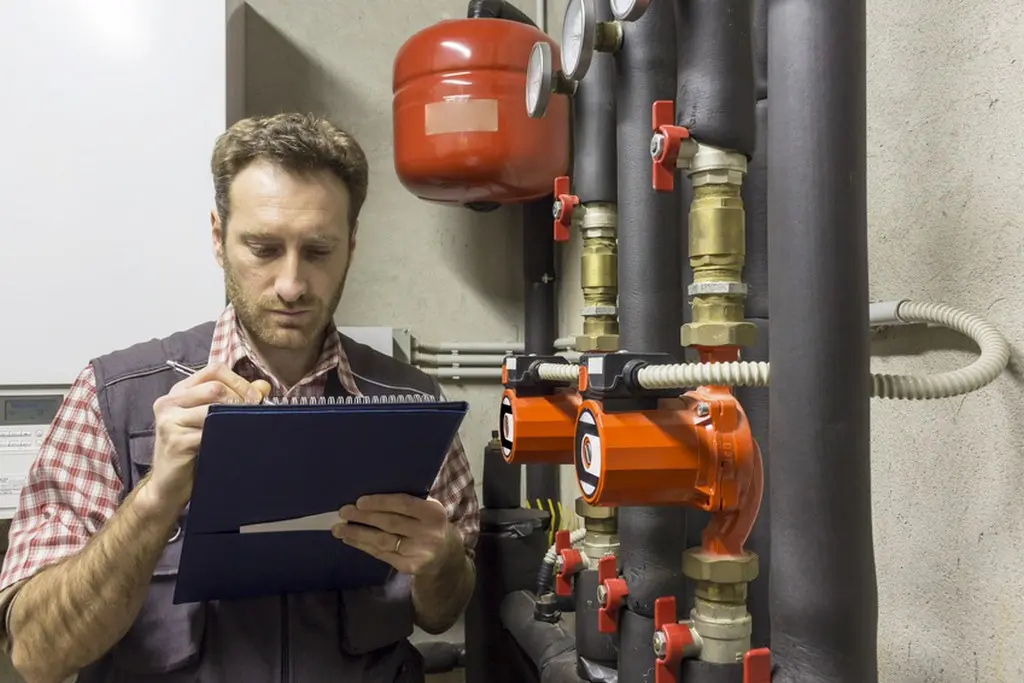
What mandatory inspections do gas installations have to undergo in Brussels?
Gas installations in Brussels must be inspected regularly. Find out which inspections are required and when you need to have them carried out.
Tenant's obligations
Once moved in, you are responsible for making sure everything works properly depending on the system installed:
| Heating system | Servicing frequency | Who is responsible |
|---|---|---|
| Chaudière gaz (individuelle) | Every 2 years (Brussels/Flanders) or 3 years (Wallonia) | Tenant |
| Chaudière mazout (individuelle) | Annually | Tenant |
| Chauffage collectif | Managed by the property management company/landlord | Landlord (passed on through charges) |
| Pompe à chaleur (PAC) | Annual servicing recommended | Tenant (cleaning filters) |
| Ramonage des conduits | Annually | Tenant |
Remember: ask for the servicing certificate. This is your only proof to the landlord and your insurer in the event of a claim.
The right to proof
If your landlord asks you to prove that the servicing has been done, you must provide the certificate. But be aware, when you move in, you are also entitled to ask the landlord for proof that servicing was carried out before you arrived. If this is not the case, the landlord must pay for the first service!
Electrical appliances: preventive maintenance
The rule is simple: everything that belongs to you must be maintained by you and everything that belongs to the landlord must be kept in the condition in which you found it.
If the accommodation is rented with electrical goods (fridge, oven, dishwasher), you must maintain these regularly: defrosting the freezer, cleaning the filters on the dishwasher or cleaning the oven. If an appliance breaks down due to a lack of maintenance (accumulation of limescale, for example) you might be responsible for its repair.
However, if the fault is due to wear and tear, the landlord must deal with it.
Worth knowing
There is a list of maintenance and repair obligations between the tenant and the landlord on the Brussels-Capital Region website.
Moving in and out
Don't forget to transfer the utility meters. Whether you're moving in or moving out, you should complete a meter handover form. This document, signed by both parties (those moving in and those moving out), records the meter readings on a specific date.
- Moving in: you usually have 15 days to set up an account with the supplier of your choice.
- Moving out: it's not usually necessary to have the supply disconnected. This can lead to significant reconnection charges for the next tenant.
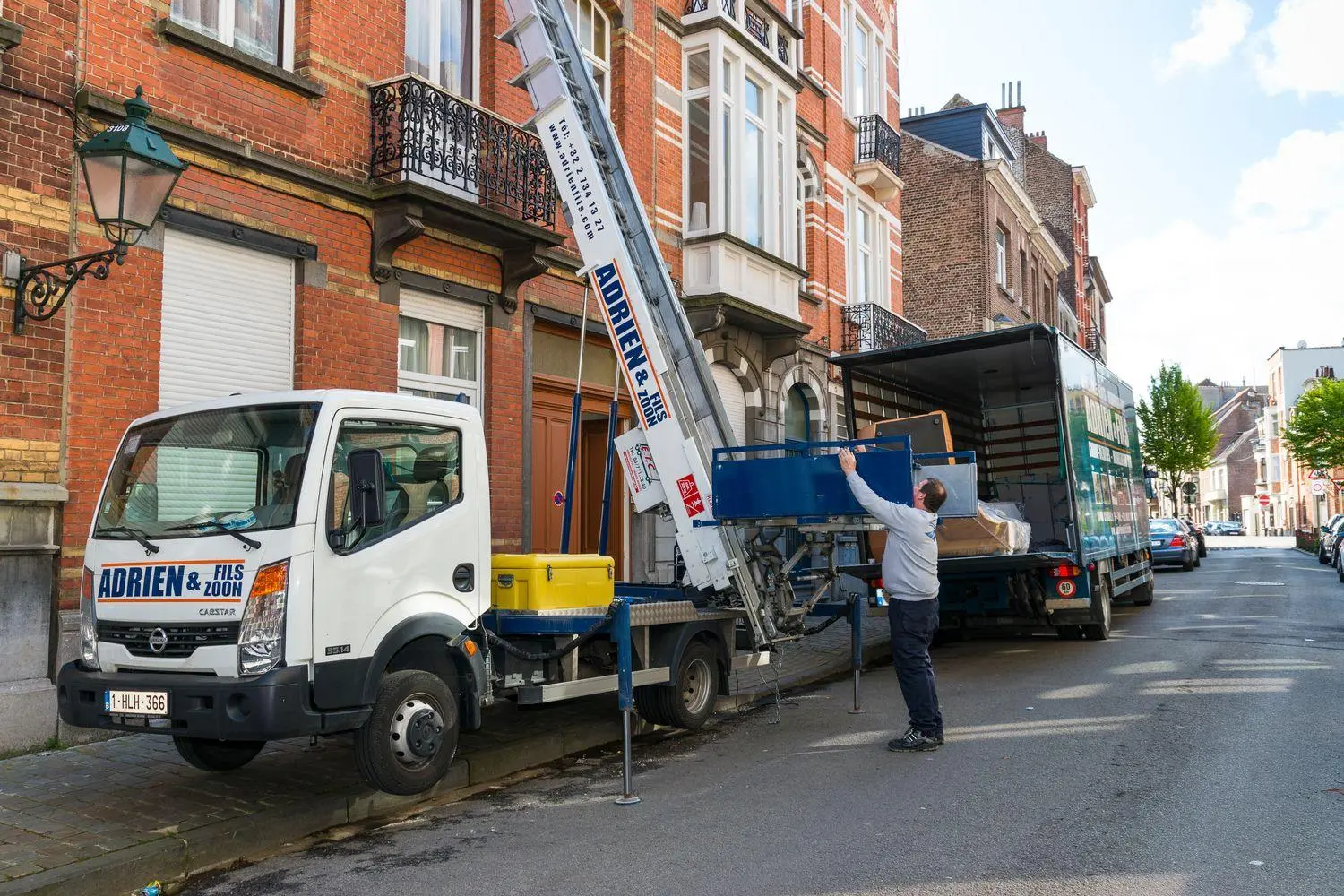
What do I have to do with my gas and electricity connection if I move house?
What if I pay a fixed rate for energy?
Sometimes the rent is "inclusive of charges" or with fixed payments.
- The risk: if you pay a fixed rate, you have no control over changes in energy prices. You could face a high bill at the end of the year if you’ve used more than expected. And if the landlord doesn't pay the energy bills on time, you could be cut off overnight.
- Can this be changed? Generally, no, because it is one of the terms of the lease. However, the law states that the charges must relate to actual costs. If your payments are obviously too high, you are entitled to ask for them to be adjusted.
Individual contract: an obligation?
Unless otherwise stated in your lease, you are legally required to set up your own energy accounts. In student accommodation or if you have communal heating, gas is often included in your charges, but beware, the electricity for your accommodation is almost always in your name. Check your contract carefully to see whether you need to complete a handover form or simply pay your monthly payments.