
Decided to put your property on the market? Before writing your listing, an EPB certificate should be top of your to-do list. More than just a mere formality, this document ensures transparency in your transactions right from the very first contact with potential buyers.
Rule of thumb: Plan ahead!
The energy performance of your building shouldn't be a secret kept until you're signing on the dotted line. In Brussels, all housing over 18 m², and all offices over 500 m² must have a certificate as soon as they're put up for sale or rent.
It provides future occupants with an overview of the property's energy consumption, and enables them to compare costs between listings, so they can avoid any nasty surprises after moving in.
- Timing: Order your certificate well in advance. It must be available before the property is advertised.
- Display: The energy category (the coloured letter) and the consumption indicators (consumption per m² and total annual consumption) must be visible on all advertising media, whether on posters, websites or social media.
- Validity: It is valid for 10 years, unless the building's energy characteristics are altered (e.g. a boiler is replaced). In this case, it must be updated before any new transactions.
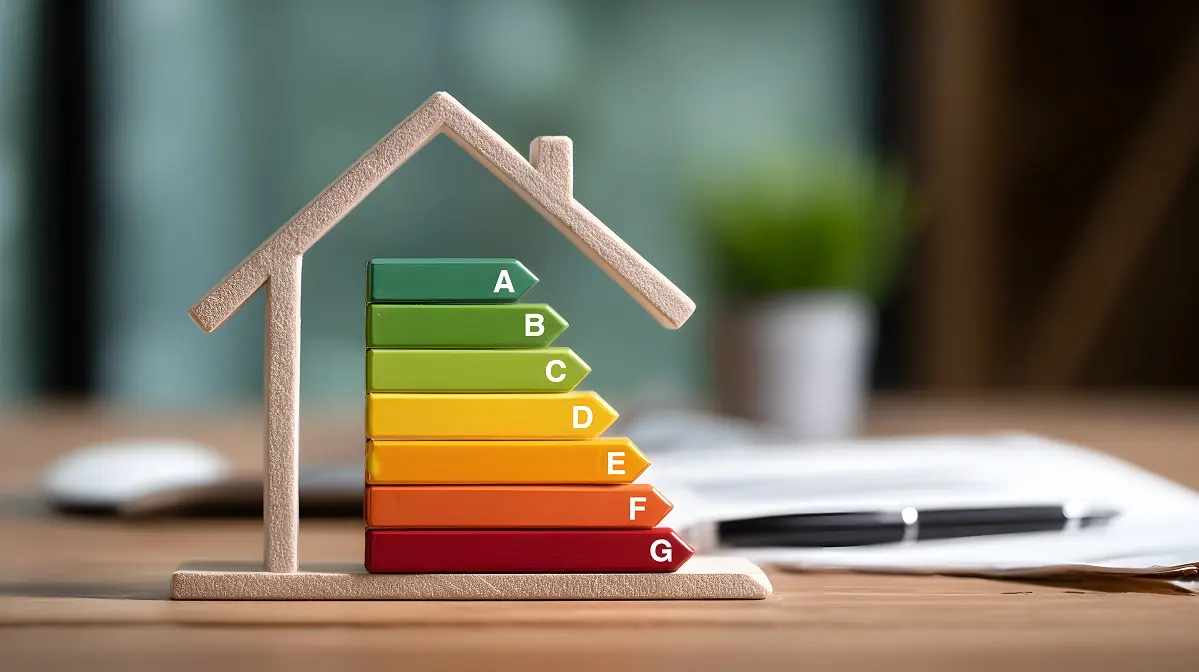
What is an EPB certificate and what is it used for?
Mandatory if you're selling or letting your property, an EPB certificate (energy performance of buildings) is the building's energy ID card.
Keep in touch!
If you need to update your EPB certificate, you should ideally contact the certifying body that issued the previous one. As they already know the building, it's often quicker and cheaper for them to update it than to use someone completely new.
If you're renting
The regulations protect future tenants by ensuring they have access to information:
- Accessibility: A copy of the certificate must be sent, free of charge, to any rental candidate who requests it.
- Lease contract: In Brussels, leases must list the energy classification and the certificate number.
- Proof of receipt: The tenant must declare in the lease that they have received their copy of the document.
- Risks: The owner is at risk of penalties if they don't have a certificate.
If you're selling
When you're selling a property, the process is more formal.
- Availability: Copies must be available for all potential buyers.
- Final deed: The certificate must be sent to the buyer as part of the sale.
- Public sale: In these specific cases, the certificate is appended to the specifications.
- Monitoring: If the document is missing, the notary must inform Bruxelles Environnement. The owner could then face a fine.
What about in Flanders and Wallonia?
The EPB certificate/EPC is mandatory throughout Belgium, but the rules vary depending on the Region.
- In Wallonia: The rules are very similar to those in Brussels, with an obligation to display the certificate as soon as the listing is published.
- In Flanders: For the sale of housing in Flanders, an EPC issued since 1 January 2019 is required.