
our gas appliance's pilot light may seem insignificant, but it burns 24 hours a day, 365 days a year. That consumption adds up, often to tens or even more than a hundred euros per year. How much exactly, and what can you do about it?
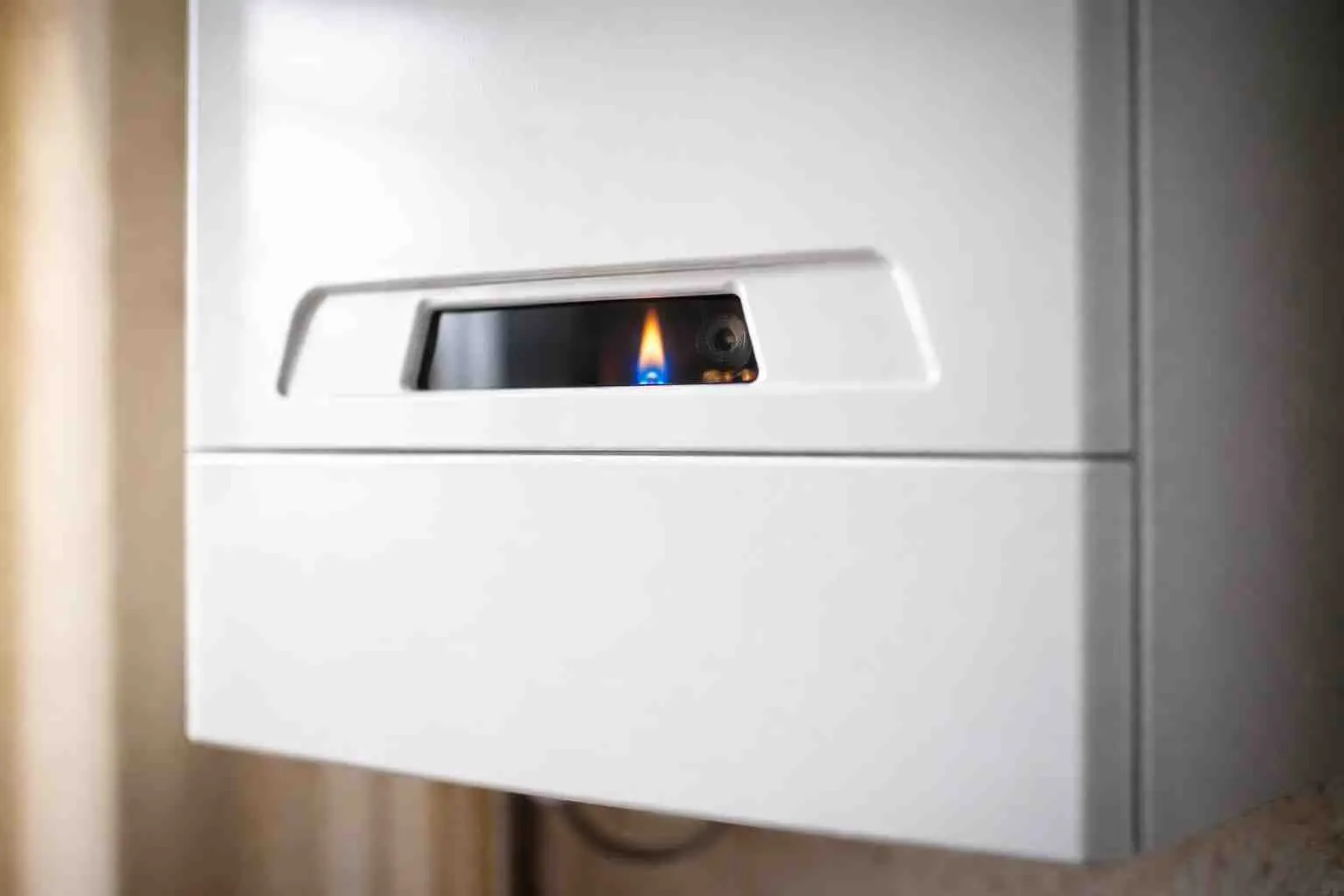
Many Brussels homes still have a central heating boiler, instant water heater, separate boiler, or gas fireplace with a permanent pilot light. It's a small flame, but it consumes gas continuously through the night, through the summer, without pause.
Newer appliances no longer have a permanent pilot light. They use electronic ignition and only consume gas when actually in use.
What does it cost per year?
Not all pilot lights consume the same amount. It depends on the type of appliance (boiler, instant water heater, separate boiler, or gas fireplace) and on the brand and model. Various sources put the annual consumption at between 60 and 250 m³ of gas.
To convert this to kilowatt-hours (kWh), you use the conversion coefficient from your supplier. In Belgium, high-calorific gas (also known as rich gas) is supplied everywhere, with a coefficient typically around 11 kWh per m³. The exact value can be found on your annual statement.
This gives a consumption of roughly 660 to 2,750 kWh per year for the pilot light alone.
At the current average gas price of €0.09 to €0.11/kWh (as of February 2026, all-in including taxes and distribution), the annual cost amounts to:
- Low consumption (60 m³): up to €75 per year
- High consumption (250 m³): up to €300 per year
The actual amount depends strongly on your contract and supplier. Always use the price per kWh from your own bill for an accurate calculation.
Tip: Your all-in price per kWh is shown on your annual statement or monthly invoice. Use that figure, not an average from an article, for your personal calculation.
Measure it yourself
Want to know what your pilot light actually costs you? You can measure it yourself. You'll need two days and a gas meter that shows digits after the decimal point.
Preparation on the day
- Choose a day when you don't need the heating. Set your thermostat to frost protection, but do not switch off your boiler entirely, the pilot light must keep burning.
- Do you have a boiler connected to your central heating? Switch it off so the boiler doesn't fire up for hot water. An instant water heater doesn't need to be switched off.
- Throughout the measurement period, don't use hot water and don't cook on gas.
Taking the reading
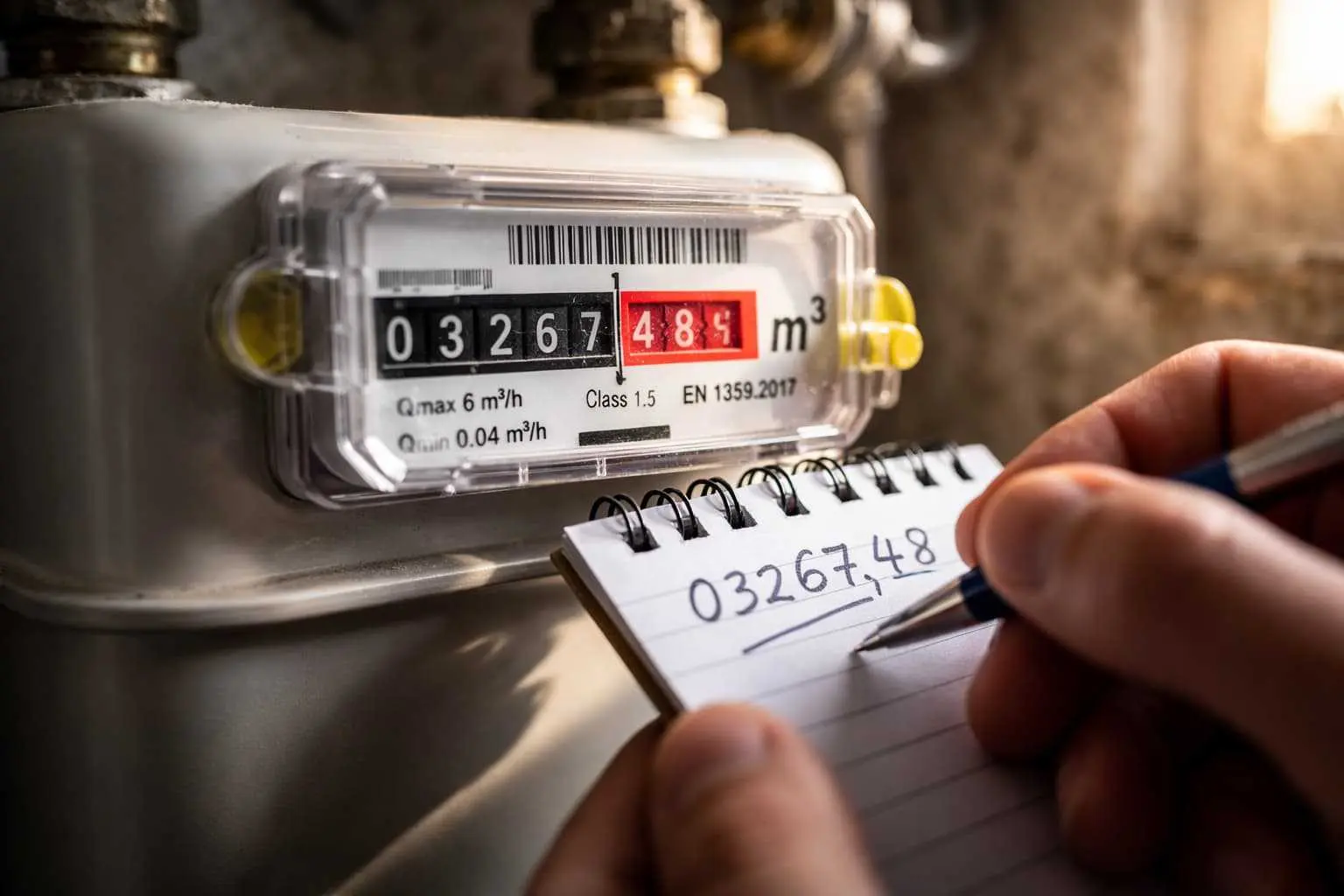
Note your gas meter reading at a fixed time, including the digits after the decimal point. Exactly 24 hours later, take the reading again at the same time. This avoids calculation errors and eliminates the influence of small pressure fluctuations.
Example (24 hours)
- Start reading (7:30 am, day 1): 32,968.079 m³
- End reading (7:30 am, day 2): 32,968.520 m³
- Difference: 0.441 m³ in 24 hours
On an annual basis: 0.441 × 365 = 161 m³ per year. Multiply that by the conversion coefficient on your statement (typically ~11 for high-calorific gas) to get the annual kWh consumption. In this example: 161 × 11 = 1,771 kWh per year. At €0.10/kWh, that's roughly €177 per year.
Tip: Repeat the measurement on a second day if you're unsure of the result. Small deviations (the boiler briefly firing up, fluctuating gas pressure) can affect the outcome. The average of two days gives a more reliable figure.
Is replacing worth it?
If you want to eliminate the pilot light, you generally have two options:
- have an electronic ignition module fitted to your existing appliance
- or replace the appliance with a modern model that has no permanent pilot light.
New gas appliances no longer have a permanent pilot light as standard. They must meet stricter efficiency requirements and use electronic ignition. A pilot light costing you €100 to €150 per year pays back a replacement fairly quickly, especially if your appliance is due for renewal anyway.
Moving away from gas
Eliminating the pilot light is one step. But the bigger picture is shifting too: gas heating is becoming structurally more expensive, while electric heating is becoming increasingly attractive.
Part of the reason lies in Belgium's ongoing tax shift. Whereas electricity was historically taxed more heavily than gas, that is gradually reversing. Levies on electricity are falling, those on gas are rising. This makes a heat pump financially more attractive than it used to be.
A heat pump heats three to four times more efficiently than a gas boiler. Even if electricity seems more expensive per kWh, you quickly end up paying less per degree of warmth produced.
Even in typical Brussels homes (narrow terraced houses, flats, older facades) there are now tailored solutions available. Homegrade.brussels offers free personalised advice on what's feasible in your specific situation.