A chimney brings warmth and atmosphere to your home, but it also needs proper maintenance. In Brussels, clear rules define how often your chimney must be inspected and cleaned. Following them keeps you compliant with local regulations and ensures safe, worry‑free heating.
Why chimney maintenance matters
One in three house fires is caused by a chimney fire. When burning heating oil, wood, or coal, soot and creosote build up inside the flue. These deposits are highly flammable and a major fire hazard.
Carbon monoxide is another risk. Poor ventilation, a blocked chimney (for example due to a bird’s nest or loose bricks), or insufficient draft can cause this odorless, toxic gas to accumulate indoors.
A certified chimney sweep removes soot and creosote with a chimney brush—from the top or bottom of the chimney—checks the condition of the flue, and disposes of the toxic residue via an approved waste‑management process. This waste must never go in household trash or the garden.
Legal Requirements
In the Brussels-Capital Region, the frequency of chimney cleaning depends on the type of heating system you use.
| Type of Fuel | Cleaning Frequency | Additional Information |
|---|---|---|
| Wood, pellets, coal | Once per year | For intensive use: twice per year recommended |
| Heating oil (fuel oil) | Once per year | Combined with boiler maintenance |
| Gas (≥20 kW) | Once every two years | Part of the mandatory EPB inspection |
| Gas (<20 kW) | Not mandatory | Recommended for safety and proper draft |
You will receive a certificate after each cleaning. Keep it for at least two years—your insurance company may request it.
Who is responsible: the owner or the tenant?
- Tenant: responsible for the maintenance of chimneys and heating installations.
- Owner: responsible for repairs.
- In most rental agreements, this is explicitly stated.
In an apartment building
For apartments, things can be a bit more complicated— but no need to worry. These are the basic rules:
- Shared chimneys (such as those connected to a collective heating system) fall under the responsibility of the homeowners’ association. The building manager (syndic) usually arranges this.
- Individual flues (for example, for your personal gas fire or pellet stove) are your own responsibility as the resident or owner.
- Always check your rental agreement or co-ownership regulations to know exactly who pays for what.
Tip:
Ask your building manager for the maintenance schedule of the shared installations. Not sure when the last inspection took place? That’s your sign to raise the alarm.
Doing it yourself? Better not
Are you allowed to clean your chimney yourself? No. Even if it’s technically possible, you won’t receive a valid certificate. Without this certificate, your insurance company may refuse compensation in the event of a fire.
A certified technician will always provide a valid certificate, an invoice with the date of the cleaning, the number of chimneys swept, and any remarks or safety concerns.
Cost
For a standard chimney cleaning, the average price ranges from €60 to €100, depending on the number of flues, accessibility, and optional extra services. A clean chimney not only reduces the risk of fire but also improves the efficiency of your heating system.
Shifting to other heating systems
Brussels is fully committed to the energy transition and is moving toward a climate‑neutral future. This means:
- Heating oil is being phased out — new oil boilers are already banned in new buildings and major renovations.
- Heat pumps and electric heating are gaining ground. Good news: no chimney means no soot problems.
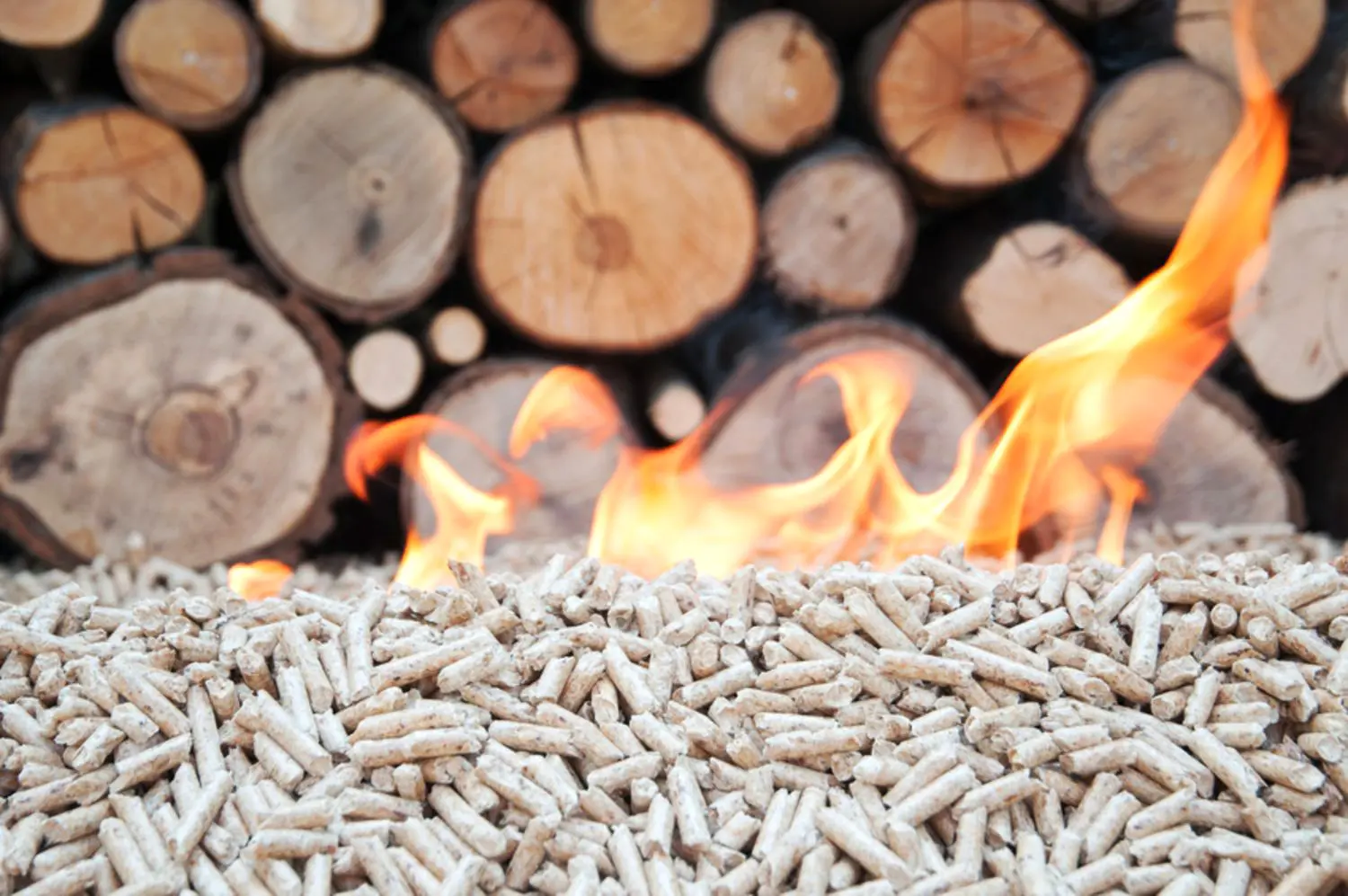
- Pellet stoves remain popular as a sustainable alternative, but they do require annual maintenance.
Are you considering switching to another heating system? Make sure you understand the maintenance requirements. A heat pump doesn’t need a chimney, but it still requires regular technical inspections to operate efficiently and safely.
Checklist: are you up to date?
Use this practical checklist to make sure you’re not overlooking anything:
- Do you know which type of fuel your heating system uses?
- Do you have a valid cleaning certificate from the past year (or past two years for gas)?
- Is the next cleaning already scheduled?
- Have you stored your certificates safely (both digitally and on paper)?
- Do you live in an apartment? Do you know who is responsible for which chimney or flue?
In summary
Having your chimney cleaned in Brussels is not optional. It is:
- Legally required (depending on the type of fuel you use)
- Essential for your safety (prevention of fire and carbon monoxide)
- Necessary for your insurance (no certificate = no coverage)
- Good for your wallet (a clean flue means more efficient combustion)
So: schedule that appointment, keep your certificate safe, and enjoy the warmth without worry.
Your chimney — and your insurer — will thank you!